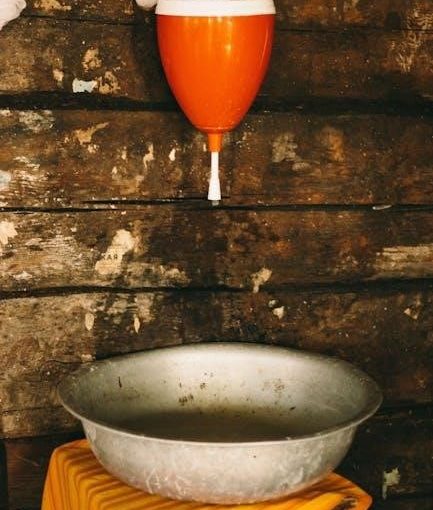
Manual Water Dispenser: A Comprehensive Guide
Manual water dispensers offer a simple, cost-effective hydration solution, relying on gravity or manual pumping – a great alternative to electric models.
What is a Manual Water Dispenser?
Manual water dispensers are hydration solutions that don’t require electricity to operate, offering a practical alternative to their electric counterparts. Typically, these dispensers utilize gravity to deliver water from a large, inverted bottle placed on top of the unit.
As highlighted by Bienvenu Brothers, a common type is the bottled water dispenser, often referred to as a water cooler, where a 5-gallon bottle feeds water via gravity and vacuum pressure when a button or handle is activated. This design eliminates the need for a direct plumbing connection, allowing for placement flexibility.
These dispensers are valued for their simplicity and portability, making them suitable for various settings where electrical access is limited or undesirable.
How Manual Water Dispensers Differ from Electric Models
Manual water dispensers fundamentally differ from electric models in their power source and operational mechanics. Electric dispensers utilize electricity to chill, heat, and pump water, offering features like instant hot water and consistent cold temperatures. Manual versions, however, rely on gravity or physical effort – no plug needed!
A key distinction lies in convenience. Electric models provide on-demand dispensing, while manual systems require refilling bottles. As Cixi Dingma points out, traditional coolers (often manual) are bulkier and harder to relocate compared to their electric counterparts.
Cost is another factor; manual dispensers generally have lower purchase and operating costs due to the absence of electricity consumption.

Types of Manual Water Dispensers
Manual water dispensers come in various forms, including bottled (gravity-fed), tabletop, and spigot-style options for larger containers, catering to diverse needs and settings.
Bottled Water Dispensers: Gravity-Fed Systems
Bottled water dispensers, often called water coolers, utilize a remarkably simple gravity-fed system. A large bottle, typically holding five gallons of water, is inverted and placed on top of the dispenser unit.
This design eliminates the need for a direct plumbing connection, offering placement flexibility nearly anywhere. When a user activates the dispensing mechanism – be it a push button or a pull handle – gravity and the created vacuum pressure work in tandem.
This allows the water to flow from the bottle, through the system, and out to the faucet. These systems are popular in both residential and commercial environments due to their ease of use and straightforward operation, making hydration accessible without complex installation.
Table Top vs. Traditional Water Coolers: Size and Portability
Table top water dispensers distinguish themselves through their compact size and enhanced portability. Designed for convenience, these units typically boast a smaller footprint, making them ideal for desks, countertops, or limited spaces. Their lighter weight further contributes to ease of relocation, adapting to changing environments effortlessly.
Conversely, traditional water coolers are generally bulkier and heavier, presenting challenges when relocating them. Moving a traditional cooler often requires more effort and planning, making them less practical for environments that require frequent changes in layout or location.
Due to their smaller size, desktop water dispensers typically have a limited water storage capacity, but excel in situations prioritizing convenience and mobility.
Spigot-Style Dispensers for Large Containers
Spigot-style dispensers are specifically designed to interface with larger water containers, often 5-gallon jugs or even larger bulk reservoirs. These systems bypass the need for lifting heavy bottles onto elevated platforms, offering a more ergonomic and accessible solution for dispensing water. The specialty spout is expertly crafted to accommodate larger containers, eliminating struggles and drips when filling jars and carafes.
These dispensers operate on a simple gravity-fed principle; the water source is positioned higher than the spigot, allowing gravity to deliver water with minimal effort. They don’t require a plumbing connection, offering placement flexibility.
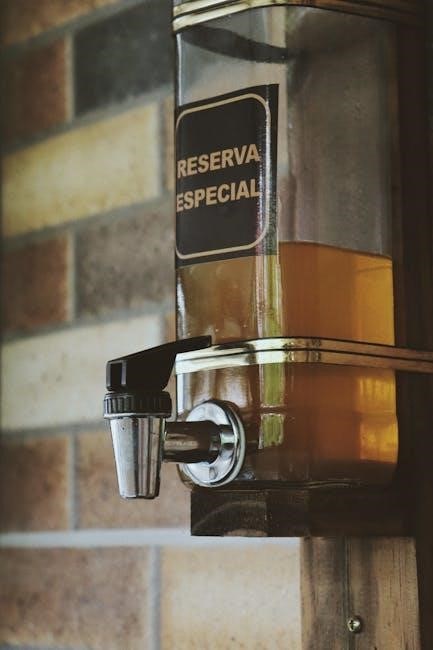
This makes them ideal for settings needing substantial water volume without electrical access.

Key Features to Consider
Essential features include temperature options, dispenser capacity, and spout design for various containers – ensuring compatibility and convenient access to refreshing hydration.
Water Temperature Options: Cold, Room Temperature
Manual water dispensers typically offer a more limited range of temperature options compared to their electric counterparts. The most common configurations provide access to either room temperature water or chilled water, depending on the model and design. Some advanced manual dispensers, like the Brio 500 Series, impressively offer three temperature settings: cold, hot, and room temperature, providing greater versatility.
The absence of heating elements in many manual models means hot water isn’t always available, but room temperature and cold options are sufficient for many users. The cooling mechanism, when present, usually relies on passive cooling or a small, manually operated cooling system. Consider your temperature preferences when selecting a dispenser, as this feature significantly impacts usability and enjoyment.
Dispenser Capacity and Bottle Size Compatibility
Manual water dispensers vary significantly in their capacity and the size of bottles they can accommodate. Tabletop models generally have a limited water storage capacity, making them suitable for individual use or small groups. Traditional water coolers, conversely, are designed for larger bottles, typically 5-gallon containers, offering a greater overall water volume.
Compatibility with bottle sizes is a crucial consideration. Ensure the dispenser you choose can securely hold the bottles you intend to use. Some dispensers feature a “specialty spout” designed to fit larger containers, preventing spills and drips during filling. Consider your consumption needs and available space when determining the appropriate capacity and bottle size compatibility for your manual water dispenser.
Spout Design: Accommodating Various Container Sizes
Spout design is a key feature impacting usability, particularly when filling containers beyond standard glasses. Many manual water dispensers feature standard spouts, adequate for direct drinking or filling smaller vessels. However, some models boast a “specialty spout” specifically engineered to accommodate larger containers like carafes and jars.
This design minimizes struggling and prevents frustrating drips during filling. A well-designed spout ensures a smooth, controlled water flow, regardless of the container’s size or shape. Consider your typical filling needs – if you frequently fill larger containers, prioritize a dispenser with a thoughtfully designed, accommodating spout for a more convenient experience.
Benefits of Using a Manual Water Dispenser
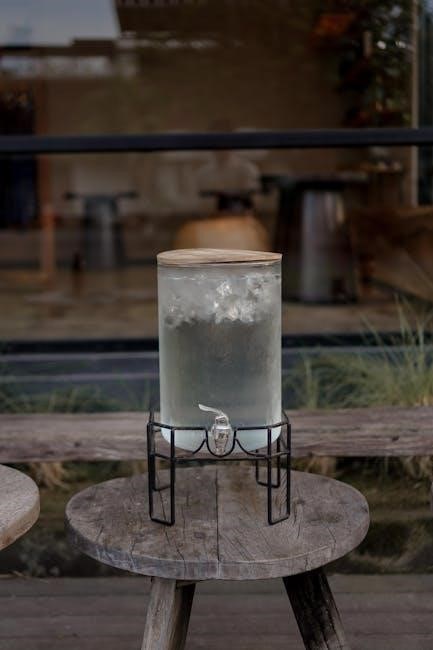
Manual dispensers excel in locations lacking electricity, offering cost savings and portability, making them ideal for remote settings and events.
No Electricity Required: Ideal for Remote Locations
A significant advantage of manual water dispensers is their independence from electrical power sources. This characteristic makes them exceptionally well-suited for environments where electricity is unavailable or unreliable, such as campsites, cabins, construction sites, or during power outages. Unlike electric models, you won’t be hindered by the need for an outlet or worry about energy consumption.
This self-sufficiency extends their usability to remote locations, allowing easy access to refreshing water without the complexities of electrical infrastructure; They are a practical solution for outdoor enthusiasts, emergency preparedness kits, and areas where minimizing environmental impact is a priority. The simplicity of operation, combined with the lack of electrical dependency, provides a reliable hydration source wherever it’s needed.
Cost-Effectiveness: Lower Purchase and Operating Costs
Manual water dispensers generally represent a more budget-friendly option compared to their electric counterparts. The initial purchase price is typically lower, making them accessible to a wider range of consumers. Beyond the upfront cost, operating expenses are significantly reduced due to the absence of electricity consumption. You avoid the ongoing energy bills associated with electric coolers or dispensers.
Furthermore, maintenance is often simpler and less costly. Without complex electrical components, there are fewer potential points of failure, reducing repair expenses. The primary ongoing cost involves the purchase of replacement water bottles, which can be managed to suit individual budgets. This combination of lower initial investment and reduced running costs makes manual dispensers a financially sensible choice.
Portability and Ease of Relocation
Manual water dispensers excel in portability, a key advantage over larger, plumbed-in or bulky electric models. Their self-contained nature – not requiring electrical outlets or water lines – allows for placement in diverse locations. This makes them ideal for temporary setups, events, or spaces where a permanent water source isn’t readily available.
Tabletop dispensers, in particular, are exceptionally easy to move due to their compact size and lightweight design. Traditional bottled water coolers, while larger, still offer greater relocation flexibility than fixed units. This ease of movement is beneficial in offices needing adaptable breakroom layouts or for outdoor activities where convenient hydration is essential.

Potential Drawbacks
Manual dispensers require physical effort for operation and offer limited capacity compared to electric versions, necessitating frequent bottle changes or refills.
Manual Operation: Requires Physical Effort
Unlike electric water dispensers that provide instant water with the push of a button, manual models necessitate physical interaction to access water. This typically involves pressing a lever or pushing a button repeatedly, which can be a consideration for individuals with limited strength or mobility.
The effort required, while minimal for most, isn’t comparable to the convenience of automated systems. For high-volume usage scenarios, this manual operation can become noticeably more tiring over time. Consider this aspect if the dispenser will be used frequently by multiple people, or if ease of use is a primary concern.
While not a significant drawback for all, the physical aspect distinguishes manual dispensers from their electric counterparts, impacting user experience.
Limited Water Capacity Compared to Electric Models
Manual water dispensers, particularly tabletop and bottled varieties, generally offer a smaller water capacity than their electric counterparts. Desktop dispensers “typically have a limited water storage capacity,” often requiring more frequent bottle replacements or refilling. Traditional bottled systems, while utilizing larger 5-gallon bottles, still necessitate eventual replacement or a refilling process.
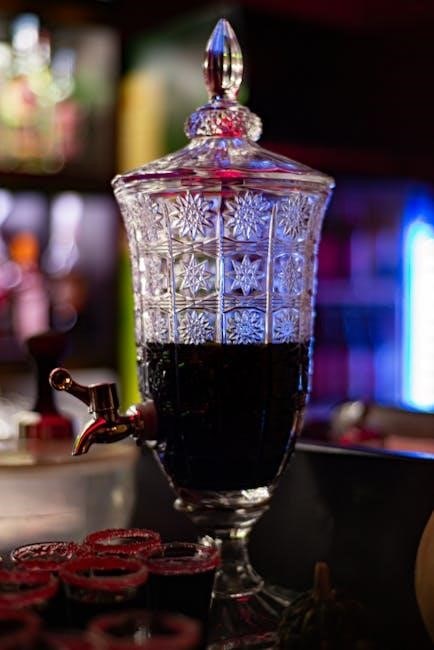
Electric models, often plumbed directly into a water line, boast a virtually unlimited supply. This difference is crucial for high-demand environments like busy offices or large families.
The limited capacity of manual dispensers makes them best suited for individual use or smaller groups where frequent refills aren’t a major inconvenience.
Bottle Replacement or Refilling Required
Manual water dispensers, especially those utilizing bottled water systems, inherently require regular bottle replacement or refilling. This is a fundamental aspect of their operation, as they don’t connect to a direct water line. Bottled water dispensers rely on a “large bottle (typically 5 gallons) placed on top of the unit,” which eventually empties and needs attention.
The frequency of replacement depends on consumption rates and bottle size. Refilling bottles from a larger source can be a cost-effective alternative, but requires access to potable water and proper sanitation procedures.
This ongoing maintenance is a key consideration when comparing manual dispensers to plumbed electric models.

Installation and Maintenance
Setting up a manual dispenser is typically straightforward, often requiring only bottle placement. Cleaning and sanitizing are crucial for safe, fresh water consumption;
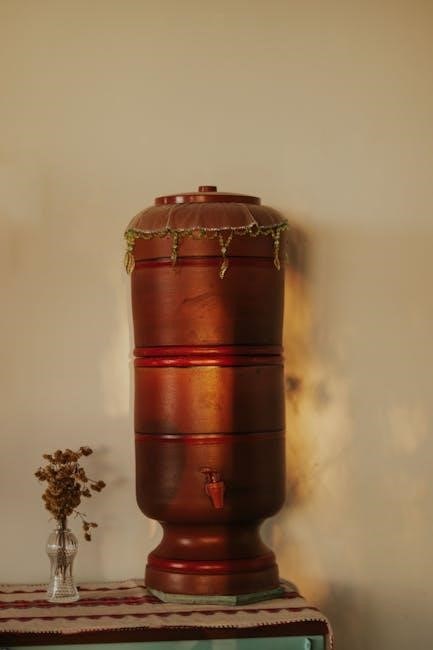
Setting Up a Bottled Water Dispenser
Initial setup for a bottled water dispenser is remarkably simple, designed for user convenience. Begin by carefully unpacking the dispenser and placing it on a stable, level surface, ensuring adequate space around it for bottle changes. Next, remove the protective cap from the water bottle and gently position it onto the dispenser’s receiving spike – a secure fit is essential to prevent leaks.
Many models require a slight twisting motion to lock the bottle in place. Once secured, allow a few moments for the water to flow from the bottle into the dispenser’s internal reservoir. Before the first use, it’s advisable to dispense a small amount of water to flush out any residual manufacturing particles. Finally, confirm all connections are secure and the dispenser is functioning correctly before regular use. No plumbing is needed!
Cleaning and Sanitizing Procedures
Regular cleaning is crucial for maintaining a hygienic manual water dispenser. Begin by disconnecting the bottle and emptying any remaining water from the reservoir. Wash the internal components – the drip tray, spigot, and bottle probe – with warm, soapy water, using a soft cloth or sponge. For stubborn residue, a mild vinegar solution can be effective.
Sanitize the dispenser monthly using a food-grade sanitizing solution, following the manufacturer’s instructions carefully. Rinse thoroughly with potable water after sanitizing to remove any chemical taste or odor. Wipe down the exterior surfaces with a damp cloth. Always ensure all parts are completely dry before reassembling and using the dispenser.
Troubleshooting Common Issues
Slow water flow often indicates air trapped within the system; gently tilting the bottle can resolve this. If the spigot drips continuously, check the spigot valve for debris or wear, and consider replacing it. Leaks around the bottle probe suggest a loose connection or damaged seal – tighten the connection or replace the seal.
Cloudy water isn’t usually a dispenser issue, but a sign of impurities in the bottled water itself. If you notice unusual tastes or odors, thoroughly clean and sanitize the entire unit. For persistent problems, consult the manufacturer’s guide or contact customer support for assistance.
Applications and Use Cases
Manual water dispensers excel in homes, offices, and outdoor events, providing convenient hydration without needing electricity or complex plumbing setups.
Home Use: Kitchens, Dining Rooms
Manual water dispensers are a fantastic addition to any home, particularly in high-traffic areas like kitchens and dining rooms. They offer a convenient and refreshing source of water for daily use, eliminating the need for constant trips to the kitchen tap.
A tabletop model can sit neatly on a counter, providing easy access during meal preparation or family gatherings. For those who prefer a more traditional setup, a bottled water dispenser can be placed in a dedicated space, offering a larger water capacity.
These dispensers are especially useful for households that prioritize portability and ease of use, as they don’t require any electrical outlets or plumbing connections. They’re perfect for serving guests, filling water bottles, or simply staying hydrated throughout the day, contributing to a healthier lifestyle within the comfort of your home.
Office Environments: Break Rooms, Common Areas
Manual water dispensers provide a practical and hygienic hydration solution for office environments, specifically break rooms and common areas. Unlike electric models, they don’t rely on electrical outlets, offering placement flexibility in various office layouts. This is particularly beneficial in older buildings or spaces with limited access to power;
They foster a healthier workplace by encouraging employees to drink more water throughout the day, boosting productivity and well-being. A gravity-fed bottled water dispenser is a low-maintenance option, requiring only periodic bottle replacement.
Their portability allows for easy relocation during office rearrangements or events. Manual dispensers contribute to a cost-effective office solution, reducing electricity consumption and offering a reliable water source for all staff members.
Outdoor Events and Activities
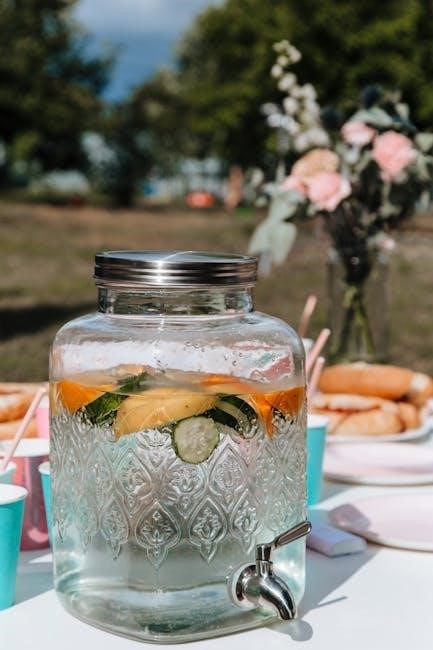
Manual water dispensers are exceptionally valuable for outdoor events and activities where access to plumbing or electricity is limited or unavailable. Their portability makes them ideal for camping, picnics, sporting events, and festivals, ensuring convenient hydration for participants. Gravity-fed models require no power source, simplifying setup and operation in remote locations.
These dispensers eliminate the need for single-use plastic water bottles, promoting environmental responsibility. A larger capacity dispenser, paired with refillable containers, can efficiently serve a group.
Spigot-style dispensers, compatible with large containers, are particularly useful for providing ample water during extended outdoor gatherings, offering a reliable and sustainable hydration solution.