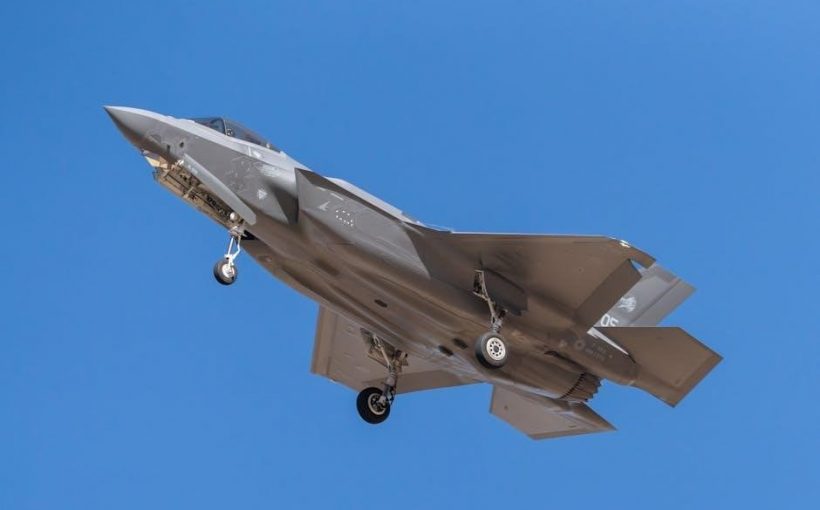
In 2024, mastering visual aircraft recognition (VACR) remains crucial, aided by resources like FM 44-80 and Janes guides, now available as PDF downloads.
Historical Context of Aircraft Recognition
Historically, visual aircraft recognition emerged as a vital skill during wartime, initially relying on memorization of silhouettes. The need for rapid and accurate identification spurred the development of comprehensive guides, with FM 44-80 first appearing in 1943, continually updated to reflect evolving aircraft designs.
Post-World War II, the Cold War intensified the demand for skilled observers, leading to refinements in recognition techniques and the inclusion of camouflage analysis. The 1996 edition of FM 44-80, and subsequent iterations, emphasized factors influencing recognition, like lighting and viewing angles.
Today, with the proliferation of aircraft types, both military and civilian, the core principles remain relevant, though supplemented by technological aids. Digitized versions, including PDF formats, ensure accessibility of these foundational resources for modern observers.
Importance of Accurate Identification in 2024
In 2024, accurate aircraft identification remains paramount for national security, air traffic control, and situational awareness. Misidentification can lead to critical errors, ranging from airspace violations to escalated conflicts. Resources like FM 44-80, readily available as a PDF, provide essential training for ground observers.
Beyond military applications, precise identification is crucial for civilian aviation safety, enabling effective monitoring of air corridors and response to potential threats. The ability to distinguish between aircraft types – civil jets, military trainers, or combat support – is vital.
Furthermore, understanding markings and camouflage, detailed in guides like Janes, aids in discerning national origin and operational roles, enhancing overall security and operational effectiveness.
Key Principles of Visual Aircraft Recognition
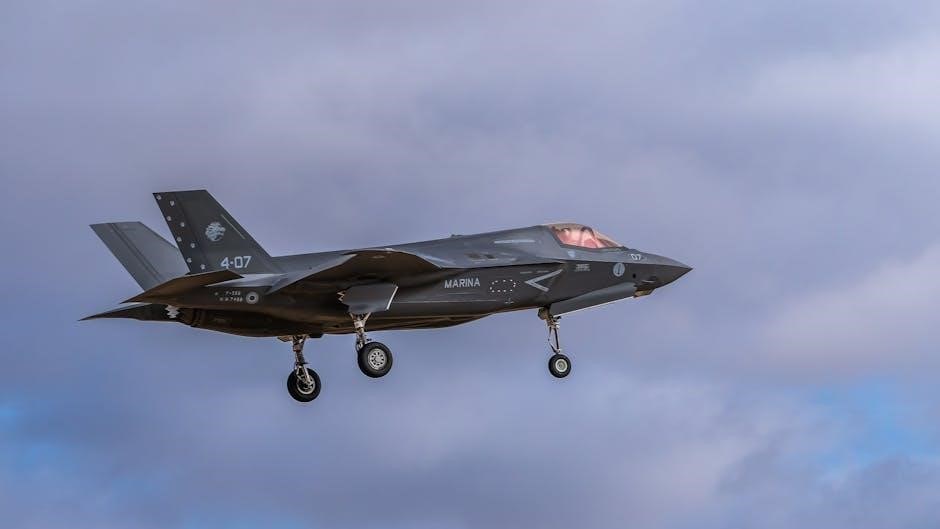
Effective recognition hinges on understanding silhouettes, proportions, and key features, as detailed in VACR guides like FM 44-80, available in PDF format.
Understanding Aircraft Silhouettes
Recognizing aircraft silhouettes is a foundational skill in visual aircraft recognition (VACR). The overall shape provides an initial, crucial clue to identification. FM 44-80, a key resource now accessible as a PDF, emphasizes practicing silhouette identification.
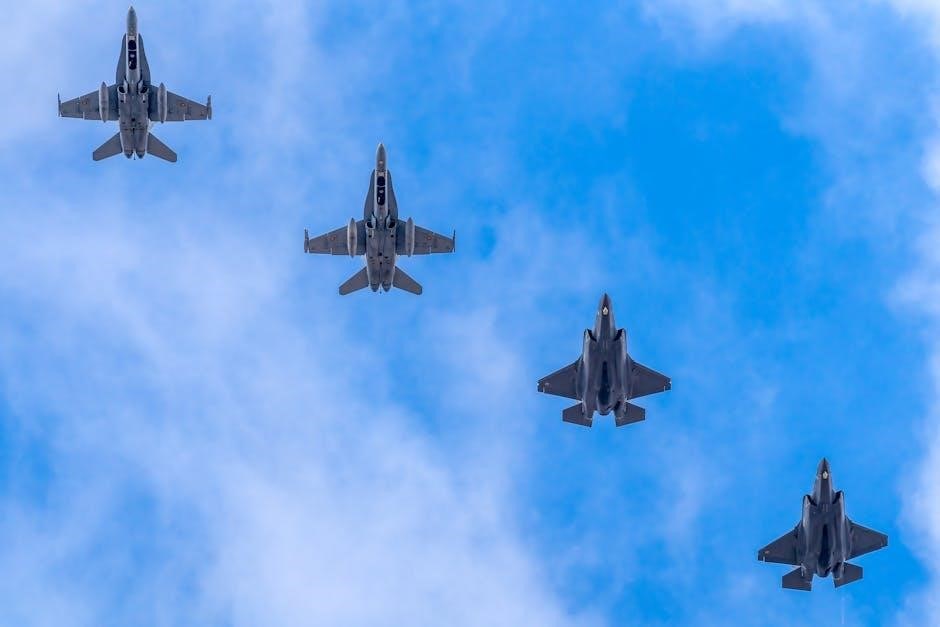
Different aircraft types – fighters, bombers, transports – possess distinct outlines. For example, the swept wings of a jet fighter create a very different silhouette than the straight wings of a propeller-driven transport.
Learning to mentally ‘block out’ details like camouflage and markings, focusing solely on the shape, is vital. Janes guides, also available digitally, offer numerous silhouette examples for study. Consistent practice, utilizing PDF versions of these manuals, dramatically improves silhouette recognition speed and accuracy, even under challenging conditions.
Analyzing Aircraft Proportions
Analyzing aircraft proportions complements silhouette recognition in visual aircraft recognition (VACR). Beyond the overall shape, the relationship between different parts – wingspan to fuselage length, tail size relative to the body – provides critical identification clues.
FM 44-80, readily available as a PDF, stresses the importance of comparing observed proportions to known aircraft specifications. Is the wingspan significantly longer than the fuselage? Is the tail particularly tall or short?
Janes aircraft recognition guides, also accessible in PDF format, offer detailed diagrams illustrating these proportional differences. Mastering this skill, through dedicated study of these resources, allows for accurate identification even with partial views or obscured silhouettes, enhancing overall recognition capabilities.
Recognizing Key Aircraft Features
Recognizing key aircraft features is paramount in visual aircraft recognition (VACR). These distinctive elements extend beyond basic shape, encompassing details like engine placement, intake design, and the presence of specific sensors or weaponry.
FM 44-80, available as a PDF, emphasizes focusing on unique characteristics. For example, the distinctive engine nacelles of certain aircraft or the shape of the vertical stabilizer.
Janes guides, also in PDF format, provide detailed illustrations highlighting these features. Learning to quickly identify these specifics, even at a distance, dramatically improves identification accuracy. Consistent practice using these resources builds a mental catalog of key features, vital for effective VACR in 2024.

Essential Aircraft Markings and Camouflage
Essential markings and camouflage schemes are vital for aircraft recognition, detailed in FM 44-80 and Janes guides, accessible as PDF resources in 2024.
National Insignia Identification
Accurate identification of national insignia is paramount in visual aircraft recognition. FM 44-80, available as a PDF in 2024, provides detailed illustrations and descriptions of markings used by various nations. These insignia, often displayed on wings and fuselages, offer a primary clue to an aircraft’s origin.
Understanding variations is key; insignia can differ in size, shape, and color depending on the country and aircraft type. Janes guides, also accessible in PDF format, supplement this knowledge with comprehensive coverage of global air forces. Recognizing subtle differences – such as the precise shade of blue or the arrangement of stars – can be crucial for correct identification.
Modern conflicts sometimes see the use of non-standard or modified insignia, necessitating continuous learning and reference to updated resources. The ability to quickly and accurately identify national markings is a fundamental skill for anyone involved in aircraft observation.
Understanding Military Camouflage Schemes
Military camouflage aims to conceal aircraft, complicating visual recognition. FM 44-80, readily available as a PDF in 2024, details common schemes employed globally, emphasizing how patterns vary based on operational environment. Understanding these schemes is vital; a desert camouflage differs drastically from one designed for woodland operations.
Janes guides, also in PDF format, offer in-depth analysis of specific camouflage applications, noting regional variations and updates. Recognizing the purpose behind a scheme – disruption, concealment, or deception – aids identification. Factors like paint texture and weathering patterns also provide clues.
Modern schemes often incorporate digital or pixelated patterns for enhanced effectiveness. Staying current with these evolving techniques, through resources like these PDF guides, is essential for accurate aircraft identification.
Civilian Aircraft Markings and Livery
Civilian aircraft utilize distinct markings and liveries for identification; Registration numbers (N-numbers in the US) are crucial, detailed in visual aircraft recognition guides available as PDFs in 2024. These guides, like Janes, explain how to decipher these codes and their associated country of origin.
Airline liveries – color schemes and logos – provide quick identification, though these change frequently. FM 44-80, accessible as a PDF, emphasizes recognizing common airline patterns. Special liveries, often commemorating events, can cause confusion, requiring careful observation.
Livery details, such as tail fin designs and fuselage markings, are key. Understanding these visual cues, supplemented by PDF resources, significantly improves aircraft recognition accuracy.
Recognizing Common Aircraft Types
2024 PDF guides, including Janes and FM 44-80, detail identification of civil and military aircraft, covering jets, propellers, and helicopters.
Civil Jet Airliners – Identification Guide
Identifying civil jet airliners requires attention to key features. FM 44-80 and updated 2024 PDF resources emphasize observing wing shape, engine placement (underwing, rear-mounted), and tail configuration (T-tail, conventional).
Boeing and Airbus dominate the market; recognizing their distinct profiles is vital. Boeing 737s often have flattened engine nacelles, while Airbus A320s feature a smoother, more blended wing-to-body transition. Wide-body aircraft like the Boeing 777 and Airbus A330 are identifiable by their larger fuselage diameter and two-engine layout.
Livery (airline paint schemes) provides additional clues, but can vary. Janes guides offer detailed illustrations and specifications aiding accurate identification, even at a distance. Careful observation of these elements, combined with available resources, enhances recognition skills.
Civil Propeller Airliners – Identification Guide
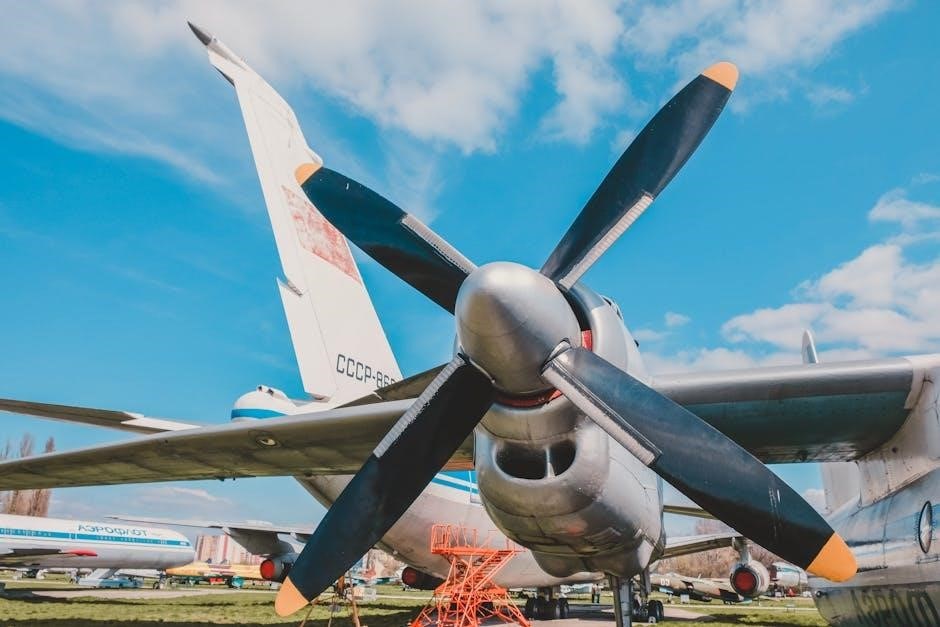
Civil propeller airliners, though less common than jets, demand recognition skills. FM 44-80 and 2024 PDF guides highlight engine number (single or multiple), propeller type (turboprop or piston), and overall size as primary identifiers.
The De Havilland Canada Dash 8 (turboprop) is recognizable by its high-wing configuration and prominent engine nacelles. ATR 42/72 series aircraft share similar characteristics. Smaller Cessna Caravan and Pilatus PC-12 models are often used for regional routes.
Wing bracing and fuselage shape also offer clues. Janes provides detailed profiles. Recognizing these aircraft requires focusing on features absent in jetliners. Updated resources ensure familiarity with current models and variations, improving identification accuracy.
Business Jets and Turboprops – Recognition
Business jets and turboprops present unique identification challenges. 2024 PDF resources, including updated Janes guides and FM 44-80, emphasize tail configuration (T-tail, conventional) and engine placement (aft-mounted, wing-mounted).
Learjet models are known for their distinctive swept-wing design and small fuselage. Cessna Citation series offers a variety of sizes and configurations. King Air turboprops are easily identified by their twin-turboprop engines and straight wings.
Pay attention to winglets and cabin window arrangement. Gulfstream and Bombardier jets often feature larger cabins and longer ranges. Accurate identification relies on detailed observation and comparison with current reference materials.
Military Aircraft Recognition
Military aircraft identification in 2024, utilizing PDF guides like FM 44-80 and Janes, focuses on national markings, camouflage, and distinctive shapes.
Combat Aircraft – Key Identification Points
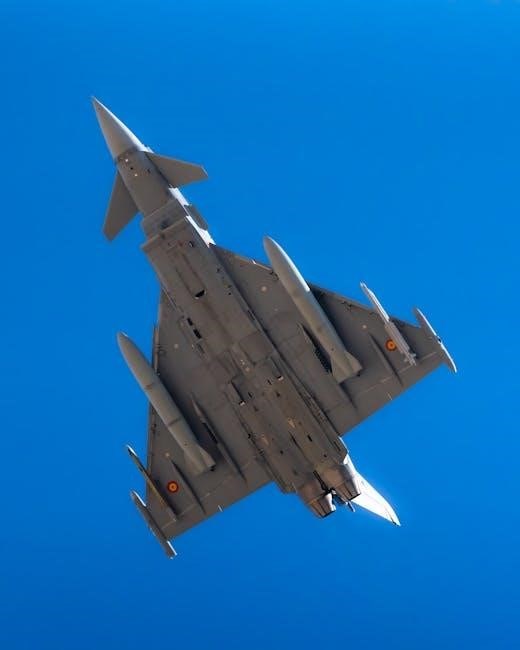
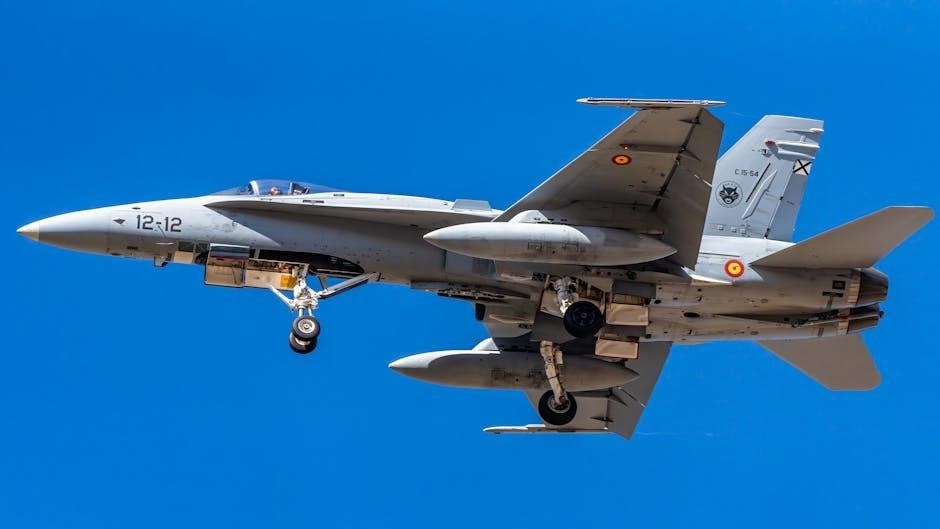
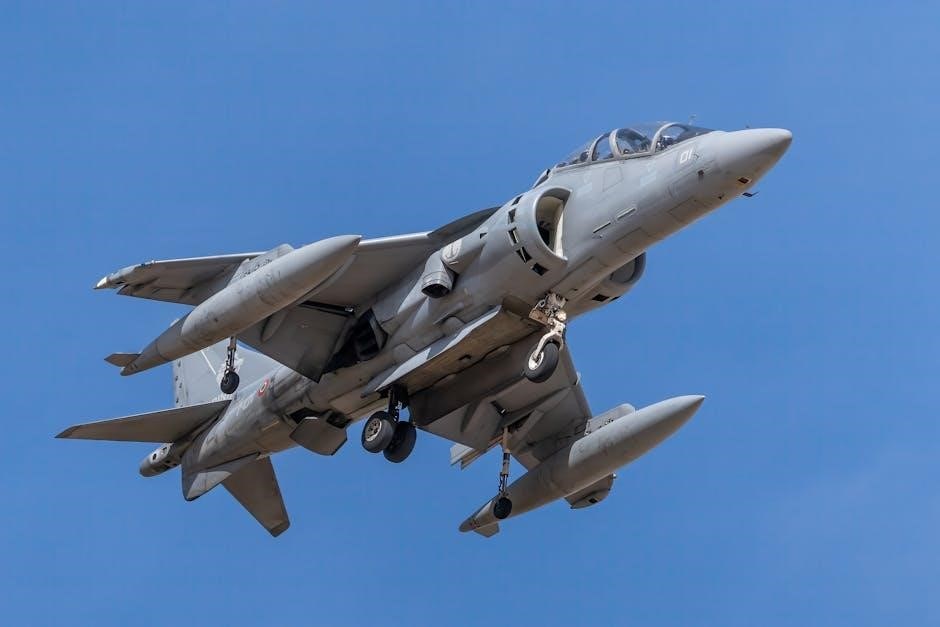
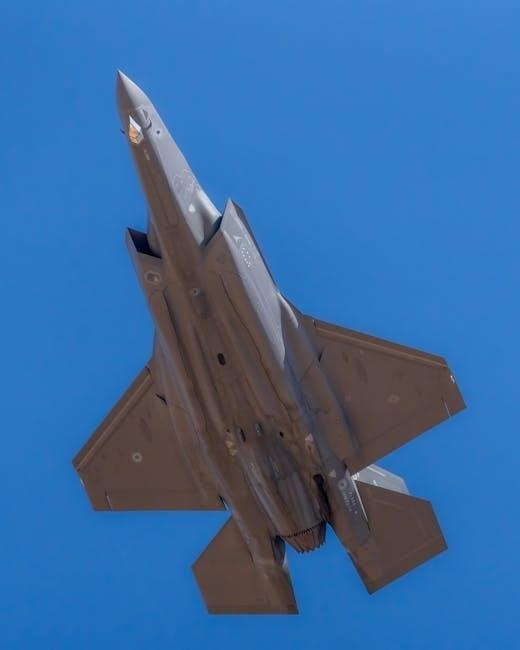
Identifying combat aircraft in 2024 relies on a systematic approach, enhanced by resources like the FM 44-80 PDF and Janes guides. Key identification points include analyzing the overall silhouette – is it swept-wing, delta-wing, or conventional?
Observe engine placement (underwing, fuselage-mounted) and the number of engines. Wing shape and tail configuration (single vertical stabilizer, twin tails) are also vital. Pay close attention to intake locations and exhaust nozzle shapes.
National insignia and camouflage schemes provide crucial clues, but can be deceptive. Hardpoint locations (underwing pylons, fuselage stations) suggest potential armament. Probe-and-drogue refueling capability is another identifier. Finally, consider the aircraft’s role – fighter, bomber, or attack – as this narrows possibilities.
Military Training Aircraft – Visual Differences
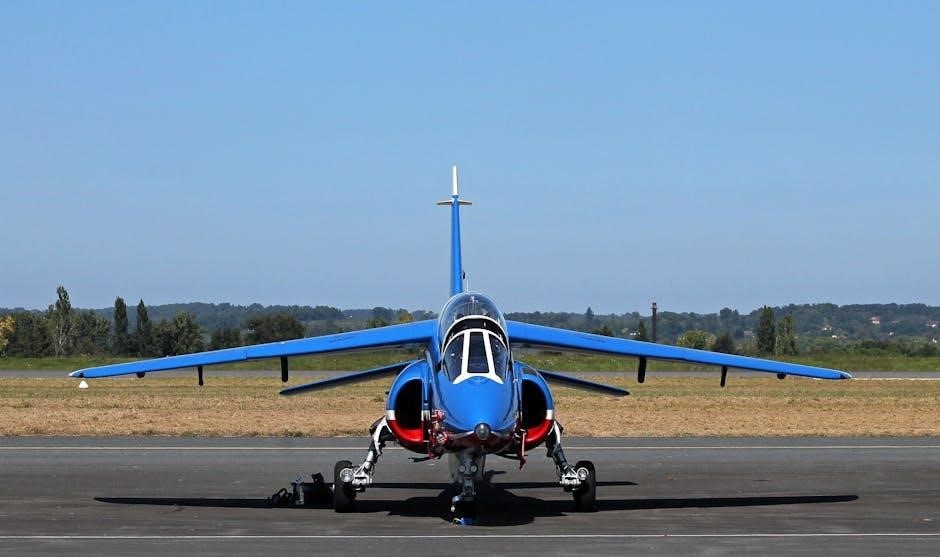
Recognizing military training aircraft in 2024, aided by resources like the FM 44-80 PDF, requires noting distinct features. Often, trainers exhibit modified aerodynamics compared to combat jets, prioritizing stability over speed. Tandem seating is common, visible as a longer fuselage or a stepped canopy.
Reduced armament is a key indicator; trainers typically lack hardpoints or carry only inert training stores. Bright color schemes or high-visibility markings are frequently used for safety. Airbrakes are often prominent, assisting with slow-speed handling.
Fixed landing gear is common in basic trainers, while advanced trainers may have retractable gear. Canopy shape differs significantly, often offering enhanced visibility for instructors and students. Comparing to Janes guides helps differentiate between variants.
Combat Support Aircraft – Recognizing Roles
Identifying combat support aircraft using resources like the FM 44-80 PDF in 2024 hinges on recognizing role-specific features. Tankers, like the KC-135, possess prominent boom or drogue refueling pods. AWACS (Airborne Warning and Control System) aircraft, such as the E-3 Sentry, feature large radar domes.
Electronic warfare aircraft often have distinctive antenna arrays and bulges. Transport aircraft, like the C-17, exhibit large cargo doors and typically lack offensive weaponry. Search and rescue variants may display specialized sensors or hoists.
Jamming pods or reconnaissance equipment are telltale signs. Consulting Janes guides aids in pinpointing specific models and their functions, crucial for accurate visual identification.
Tools and Techniques for Aircraft Recognition
Effective aircraft spotting in 2024 utilizes binoculars, search techniques, and comprehensive guides like FM 44-80, readily available in PDF format.
Effective Use of Binoculars
Binoculars are indispensable tools for visual aircraft recognition, enhancing detail and range. Selecting the right pair involves considering magnification and objective lens size; 7×35 or 10×50 are common choices. Proper focusing is paramount – begin with distant objects, then fine-tune for aircraft.
Scanning techniques are vital. Employ a methodical, sweeping motion, pausing briefly at potential aircraft locations. Utilize both eyes for depth perception and reduce eye strain. Remember that atmospheric conditions impact visibility, and PDF guides like FM 44-80 can aid in understanding how these factors affect identification. Stabilization, either through built-in features or external supports, improves observation accuracy, especially during extended use.
Search Techniques for Aircraft Spotting
Effective aircraft spotting relies on systematic search patterns. Begin by scanning the horizon, utilizing a grid-like approach to cover broad areas. Focus on common flight paths, near airports, and along known airways. Pay attention to contrails, vapor trails indicating aircraft presence, and unusual movements against the sky.
Consider the sun’s position; glare can obscure aircraft. Utilize available resources, like FM 44-80 – accessible as a PDF – to understand typical aircraft altitudes and speeds. Remember that recognizing aircraft silhouettes and markings, detailed in guides, is crucial. Patience and persistence are key, as spotting requires dedicated observation and a keen eye for detail.
Utilizing Aircraft Recognition Guides (FM 44-80 & Janes)
Aircraft recognition guides, such as FM 44-80 and Janes, are indispensable tools. Both are readily available as PDF downloads via the Internet Archive, offering comprehensive coverage of global aircraft. FM 44-80 focuses on assisting ground observers with identification, detailing markings and camouflage. Janes provides extensive details on civil and military aircraft types.
These guides aid in understanding silhouettes, proportions, and key features. Regularly reviewing these resources enhances recognition skills. They cover operational aircraft, aiding in distinguishing between similar models. Utilizing these PDF resources alongside practical observation significantly improves identification accuracy.
Challenges in Visual Aircraft Recognition
In 2024, aircraft confusion, physical factors, and environmental conditions pose recognition challenges, despite resources like FM 44-80 available as a PDF.
Aircraft Confusion – Common Mistakes
Visual aircraft recognition, even with resources like the FM 44-80 PDF, is prone to errors; A frequent mistake involves confusing similar aircraft types, particularly within families of designs. For example, differentiating between variants of the Boeing 737 or Airbus A320 requires careful attention to detail.
Another common error stems from misinterpreting camouflage schemes or markings, especially in rapidly evolving geopolitical landscapes. Relying solely on national insignia can be misleading, as temporary markings or exercises can alter an aircraft’s appearance. Furthermore, perspective and viewing angle significantly impact silhouette interpretation, leading to misidentification.
Ground observers must also avoid assumptions based on limited information. A quick glance might suggest a certain type, but a more thorough analysis, utilizing available guides, is essential for accurate aircraft recognition in 2024.
Physical Factors Affecting Recognition
Several physical factors complicate visual aircraft recognition, even when utilizing resources like the FM 44-80 PDF. Distance significantly impacts detail visibility, reducing the ability to discern subtle features. Altitude also plays a role, altering perceived size and shape. Atmospheric conditions, such as haze or heat shimmer, distort images and reduce clarity.
The observer’s own position relative to the aircraft is critical; a head-on view differs drastically from a side or angled perspective. Movement – both of the aircraft and the observer – further complicates assessment. Furthermore, individual visual acuity and experience levels directly influence recognition accuracy.
Understanding these limitations is crucial for reliable aircraft recognition in 2024, emphasizing the need for patience and careful observation.
Environmental Conditions and Visibility
Environmental conditions profoundly impact visual aircraft recognition, even with resources like the FM 44-80 PDF guide. Poor visibility, stemming from fog, cloud cover, rain, or snow, drastically reduces the range and clarity of observations. Sunlight angle creates glare and shadows, obscuring details and potentially misleading identification.
Time of day also matters; twilight conditions diminish color perception and contrast. Background clutter – trees, buildings, or terrain – can camouflage aircraft or create confusing visual patterns. Dust and smoke further degrade visibility, making accurate assessment difficult.
In 2024, recognizing these limitations is vital for reliable aircraft identification, demanding adaptable observation techniques.
Resources for Continued Learning
In 2024, expand your knowledge with online databases, recommended books, and accessible PDF guides like FM 44-80 and Janes for ongoing study.
Online Databases and Aircraft Directories
Numerous online resources bolster visual aircraft recognition skills in 2024. The Internet Archive hosts digitized versions of essential manuals like FM 44-80, readily available as PDF downloads for convenient study and offline access. These archives provide historical context and foundational knowledge.
Furthermore, specialized aircraft directories offer detailed specifications, photographs, and identification guides. Websites dedicated to aviation enthusiasts and professionals compile comprehensive databases, often searchable by aircraft type, nation of origin, or key features. Utilizing these platforms alongside PDF versions of key guides like Janes, allows for cross-referencing and a deeper understanding of aircraft identification. Regularly updated information ensures relevance in a constantly evolving aviation landscape.
Recommended Books and Publications (2024)
Despite the rise of digital resources, traditional publications remain invaluable for mastering visual aircraft recognition. FM 44-80, though dated (1996), continues to be a foundational text, often found as a PDF download, offering core principles and identification techniques. Janes Aircraft Recognition Guide, with updated editions, provides comprehensive coverage of both military and civilian aircraft.
Supplementing these, specialized identification guides focusing on specific regions or aircraft types enhance expertise. Books detailing camouflage schemes and national insignia are also beneficial. While PDF versions offer portability, physical copies allow for detailed study and annotation. Combining classic texts with current publications ensures a well-rounded understanding of aircraft identification in 2024.
Digital Resources and Mobile Applications
The digital landscape offers numerous tools for 2024 aircraft recognition. FM 44-80 and Janes guides are readily available as PDF downloads via the Internet Archive, providing accessible reference materials. Online databases, such as aircraft directories, offer detailed specifications and images. Mobile applications, often featuring aircraft identification quizzes and augmented reality features, enhance learning on the go.
These apps frequently utilize image recognition technology, assisting in quick identification. Websites dedicated to aviation enthusiasts provide forums for discussion and image sharing. Utilizing a combination of PDF manuals and interactive digital tools creates a dynamic and effective learning experience for aspiring aircraft spotters.