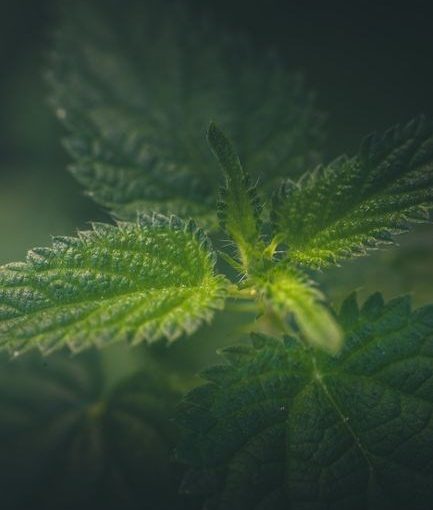
Discover the vibrant world of herbs that thrive across Cataclysm’s altered landscapes. From the mist‑laden Vashjir to the scorched plains of Uldum, each zone offers unique nodes—Stormvine, Azshara’s Veil, and Heartblossom—providing essential materials for potions and transmutations.Crafting rewards awaitnow!.
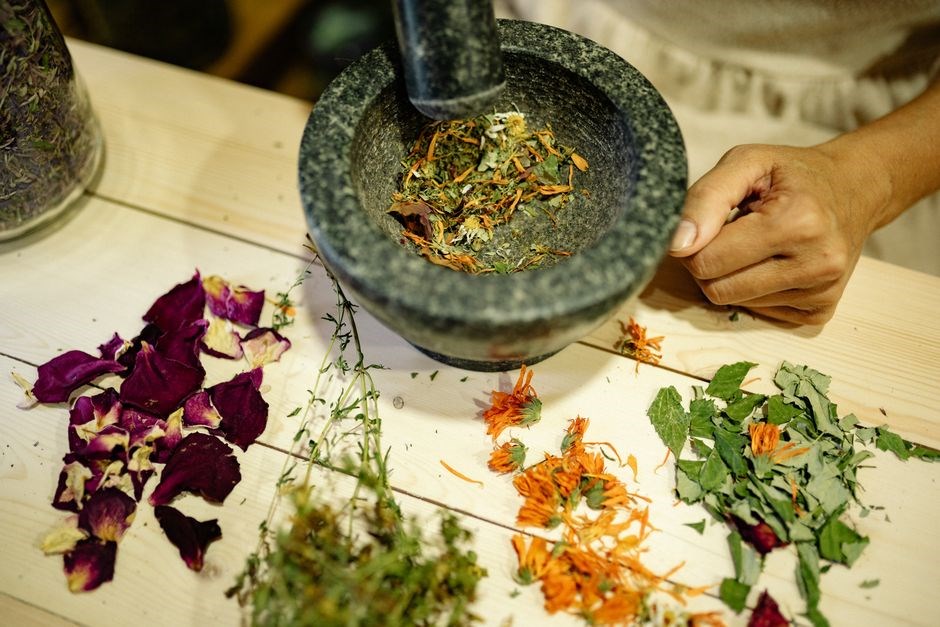
Prerequisites and Training
Use a bag with many slots to hold more herbs; each node yields one herb, so you’ll need fewer trips to sell. Keep track of your skill level—once you hit 150, you can’t learn new herbs, so plan your next upgrade. Some nodes respawn after a short cooldown so revisiting popular spots can net more drops; without extra travel.
Core Herbalism Route Overview
Begin by mastering the fundamentals: learn Apprentice Herbalism from a trainer in any major city, then progress to Journeyman Herbalism once your skill reaches 75. The core route focuses on gathering high‑yield herbs that appear in clusters, allowing you to maximize drops per travel. Prioritize zones with dense node populations, and use a bag with at least 30 slots to reduce the frequency of trips to vendors. When you hit 120 skill, consider switching to a more efficient path that includes nodes with higher rarity, as these will grant larger experience gains per herb. Keep an eye on the skill‑up thresholds: 150 is the cap for learning new herbs, so plan your next upgrade accordingly. A common strategy is to pair the core route with a secondary loop that targets herbs with a 1‑in‑3 chance of dropping, ensuring you always have a steady supply of materials for alchemy and cooking. In addition, consider using a bag with a high capacity and a quick‑sell addon to streamline the process of turning herbs into reagents. Many players find that setting up a herb‑gathering station in a town allows them to sell or craft, reducing downtime between runs. Also, pay attention to the world quest objectives that sometimes reward herbs as part of the completion criteria; these can serve as a bonus source of experience. This method keeps your training efficient and rewards you with steady progress. Additionally, using a high‑capacity bag lets you gather more herbs before needing to sell, saving time. This approach maximizes your experience per hour.
Zone-Specific Herbalism Routes
Explore each zone’s distinct herb clusters: Vashjir’s Stormvine and Azshara’s Veil, Deepholm’s Heartblossom, Uldum’s Whiptail, Twilight Highlands’ Jasmine, and Tol Barad’s dual Azshara’s Veil/Whiptail path. Tailor your route to the zone’s density and rarity for optimal XP. Use a map overlay node tracking!!!
Vashjir & Mount Hyjal: Stormvine & Azsharas Veil
Vashjir, the drowned city of the naga, is a prime destination for herbalists seeking the rare Azshara’s Veil. The herb appears in dense clusters along the flooded streets and near the central plaza, making it a high‑density node that rewards quick gathering. Because the zone is largely underwater, players must use the “Dive” skill or a boat to access many of the nodes, so it’s best to travel with a group or use the “Dalaran” portal for efficient travel.
Mount Hyjal, the ancient volcanic mountain, offers a complementary route. While Azshara’s Veil is scarce here, the lush, post‑cataclysmic forests near the summit host abundant Stormvine nodes. These nodes are scattered in the mossy groves and along the ridgelines, providing a steady stream of high‑level herbs. The route is best tackled after the “Dalaran” portal is unlocked, allowing quick hops between Vashjir and Hyjal without back‑tracking.
For optimal XP, start in Vashjir, gathering Azshara’s Veil until level 50, then move to Mount Hyjal to collect Stormvine. The combination of low‑level nodes and high‑level drops ensures a smooth progression. Remember to keep an eye on the “Herbalism” skill cap; training Journeyman Herbalism in a major city before heading out will unlock the full 150‑skill range, allowing you to harvest the most valuable herbs in both zones.
When planning your route, consider the travel time between the two zones. The “Dalaran” portal is the fastest method, but if you prefer a more scenic path, you can use the “Cenarion Enclave” path that loops through the Eastern Kingdoms. Additionally, keep an eye on the “Herbalism” skill cap; training Journeyman Herbalism in a major city before heading out will unlock the full 150‑skill range, allowing you to harvest the most valuable herbs in both zones.
Deepholm: Heartblossom Route
Deepholm, the molten core of the world, offers a unique herbalism experience centered around the rare Heartblossom. This high‑level herb appears in the volcanic caves and along the lava‑flowed ridges, providing a steady source of valuable materials for alchemy and transmutation. The route begins at the western entrance of the zone, near the Emberstone Quarry, where the first Heartblossom nodes are abundant. From there, follow the winding path that leads eastward, passing the Obsidian Spire and the Crystalline Cavern. The nodes become progressively denser as you approach the central magma chamber, making it an efficient loop for gathering.
To maximize efficiency, use the “Herbalism” skill cap by training Journeyman Herbalism in a major city before venturing into Deepholm. This unlocks the full 150‑skill range, allowing you to harvest Heartblossom at its highest quality. Additionally, the zone’s low travel time between nodes means you can complete a full loop in under ten minutes, especially when paired with a group that can handle the occasional lava‑fall hazards. The Heartblossom’s high drop rate and the abundance of nodes make this route one of the fastest ways to level herbalism during the Cataclysm era.
Heartblossom is for its high potency, making it a staple in alchemy. Its dense leaves yield a powerful extract that boosts healing and damage time now daily!!.
Heartblossom’s resilience in lava environments makes it a resource for alchemists Its leaves can be harvested in bulk, enabling large batches of restorative potions without frequent trips
Uldum & Twilight Highlands: Whiptail & Twilight Jasmine
Uldum, the sun‑bleached wasteland, and the Twilight Highlands, a realm of perpetual dusk, both feature distinct herbalism routes that cater to players seeking rare materials. In Uldum, the primary herb is Whiptail, a hardy plant that thrives in the cracked, sun‑scorched soil. Whiptail nodes are scattered across the plains, especially near the ruins of the old sun‑king’s citadel, where the heat is most intense. The route begins at the western gate, where the first Whiptail nodes appear in a dense cluster. From there, a straight path leads eastward, passing the shattered obsidian towers and the ancient stone circles. The nodes become more frequent as you approach the central plateau, allowing for a quick loop that can be completed in under fifteen minutes if you maintain a steady pace. Whiptail is prized for its high alchemical value; the leaves can be processed into potent healing elixirs that restore health over time, making it a staple for both solo and group play. The herb’s resilience to the harsh environment also means it can be harvested in bulk without the need for frequent travel to other zones, making it an efficient choice for players who want to maximize their herbalism gains while staying within the Cataclysm world.
In the Twilight Highlands, the herb of choice is Twilight Jasmine, a delicate flower that blooms in the dim twilight that permeates the region. Twilight Jasmine nodes are found in the shadowy groves and along the mist‑laden paths that wind through the highland valleys. The route starts at the northern ridge, where the first nodes appear near the ancient stone altar. From there, a winding trail leads southward, passing the silver‑leafed trees and the crystal‑clear streams that feed the valley. The nodes are more evenly spaced, allowing for a balanced loop that takes roughly twenty minutes to complete. Twilight Jasmine is valued for its use in alchemy and transmutation; its petals can be distilled into a powerful potion that grants temporary increases in stamina and agility. This makes it a sought‑after ingredient for players who need a quick boost before tackling the more dangerous areas of the zone. Like Whiptail, Twilight Jasmine’s abundance in the Twilight Highlands means players can gather large quantities without leaving the zone, ensuring a steady supply of high‑quality herbs for all their crafting needs.
Both routes are highly recommended for players who wish to level herbalism efficiently, as the high density of nodes reduces travel time and increases drop rates. Moreover, the unique environmental conditions of each zone—sun‑blasted plains and twilight valleys—provide a varied experience that keeps herbalism engaging throughout the Cataclysm expansion.
Tol Barad: Azsharas Veil and Whiptail Herbalism Route
Tol Barad, the volcanic citadel of the dwarven empire, presents a dual‑herb route that is both efficient and rewarding. The first leg centers on Azshara’s Veil, a translucent herb that thrives in the ash‑laden soils surrounding the citadel’s eastern ramparts. Starting at the western gate, the Azshara’s Veil nodes appear in a tight cluster near the stone archway. From there, a straight corridor leads eastward, passing the remnants of the dwarven forge and shattered obsidian pillars. The nodes become more frequent as you approach the central courtyard, allowing for a quick loop that can be completed in under ten minutes if you maintain a steady pace. Azshara’s Veil is prized for its high alchemical value; the leaves can be processed into potent healing elixirs that restore health over time, making it a staple for both solo and group play. Its high drop rate also means you can quickly reach Journeyman Herbalism, boosting your skill to 150. Enjoy!
The second leg focuses on Whiptail, a hardy plant that thrives in the cracked, sun‑scorched soil of the plains. Whiptail nodes are scattered across the zone, especially near the ruins of the old sun‑king’s citadel, where the heat is most intense. The route begins at the western gate, where the first Whiptail nodes appear in a dense cluster. From there, a straight path leads eastward, passing the shattered obsidian towers and ancient stone circles. The nodes become more frequent as you approach the central plateau, allowing for a quick loop that can be completed in under fifteen minutes if you maintain a steady pace. Whiptail is prized for its high alchemical value; the leaves can be processed into potent healing elixirs that restore health over time, making it a staple for both solo and group play.
Key Herbs and Their Uses
Earthroot, Mageroyal, Briarthorn, Stormvine, Azshara’s Veil, Whiptail, and Heartblossom are core Cataclysm herbs. They craft potions, elixirs, and transmutations, boosting health, mana, and stamina. Harvesting them fuels your progression and supports raid and PvP gear.They also yield rare transmute recipes.!!
Earthroot (Level 15+)
Earthroot is the first herb you can harvest once you hit level 15, making it the cornerstone of any early herbalism build. These nodes are scattered throughout the low‑level Eastern Kingdoms, with the highest density in Tirisfal Glades, Hillsbrad Foothills, and the northern Barrens. The herb’s green, slightly spiky stem is unmistakable, and its abundance allows you to raise your skill to 30 or higher in a single day of farming. Each node yields two to three Earthroots, which are used to craft basic health and mana potions that are essential for solo dungeons and group content. Because Earthroot is also a component in the “Transmute: Earthroot to Dust” recipe, it provides a valuable early‑tier transmutation reagent that can be sold or used in alchemy. Players often focus on Earthroot nodes before moving on to more specialized herbs such as Mageroyal or Briarthorn. The herb’s low level requirement and frequent placement make it an ideal choice for new herbalists who want to maximize skill gains while also supporting their character’s survivability. By consistently gathering Earthroot, you build a solid foundation for your herbalism career and ensure you have the necessary materials for both crafting and transmutation as you progress through Cataclysm. In addition, many quests in the early zones reward Earthroot, giving you extra motivation to farm these nodes. The herb’s versatility—serving as a crafting ingredient, a transmutation component, and a quest item—makes it indispensable for any herbalist looking to thrive in the early stages of the expansion. It also helps in training.
Mageroyal & Briarthorn (Hillsbrad Foothills 70-125)
Within the rolling grasslands of Hillsbrad Foothills, the herbalist’s journey from level 70 to 125 is punctuated by the prolific presence of Mageroyal and Briarthorn. These two herbs are the most common nodes in the zone, appearing in dense clusters along the ridges, near water sources, and within the scattered groves that dot the landscape. Mageroyal, with its bright green leaves and delicate purple flowers, is prized for its high healing potency, making it a staple ingredient in the creation of powerful health potions and the “Transmute: Mageroyal to Dust” alchemy recipe. Briarthorn, identifiable by its thorny stems and dark purple blossoms, is equally valuable, serving as a key component in mana potions, the “Transmute: Briarthorn to Dust” transmutation, and several high‑tier alchemy recipes. The dual availability of these herbs allows players to maintain a steady supply of both health and mana reagents while simultaneously earning transmutation dust, which can be sold for a respectable profit or used to advance alchemical research. Because the nodes are so abundant, a dedicated herbalist can clear the entire zone in a single day, rapidly increasing skill and unlocking the 150‑level cap. The strategic placement of Mageroyal and Briarthorn also means that players can combine their gathering routes with other professions, such as mining or skinning, to maximize efficiency. For those who wish to transition into the later stages of the expansion, Hillsbrad Foothills provides a reliable training ground for mastering the art of herbalism, ensuring that every herb picked contributes to both personal progression and the broader economy of the game. Players often find that the rhythmic act of gathering herbs not only improves skill but also offers a calming respite from combat. By consistently harvesting, one can accumulate a substantial inventory of raw materials, which can be sold or used to craft consumables. Additionally, the knowledge gained from studying herb patterns enhances overall gameplay, allowing for better preparation for upcoming challenges. It helps.!!!
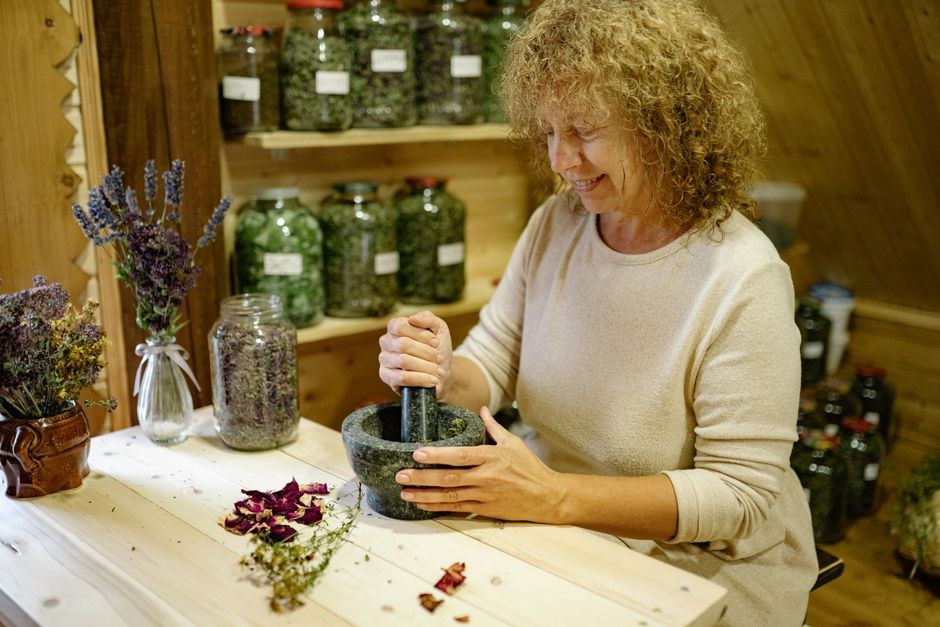
Leveling Tips and Efficiency Hacks
Mastering herbalism in Cataclysm hinges on a blend of strategic route planning, skill‑level optimization, and resource management. First, always train Journeyman Herbalist before venturing into zones that unlock higher‑level nodes; this grants access to the 150‑skill cap and opens the “Transmute: Mageroyal to Dust” and “Transmute: Briarthorn to Dust” recipes. Second, focus on zones with high node density—Hillsbrad Foothills for Mageroyal and Briarthorn, Vashjir for Stormvine and Azshara’s Veil, and Uldum for Whiptail. Third, use the “Herbalism” skill‑boosting consumables such as the “Potion of the Burning Soul” to temporarily increase gathering speed, especially during long grinding sessions. Fourth, pair herb gathering with other professions: while collecting Mageroyal, pick up any nearby mining nodes to maximize time. Fifth, take advantage of the “Herbology” addon or the built‑in “Herb” icon overlay to quickly locate nodes, reducing idle time. Sixth, always carry a full pack of “Herbalism” bags; the larger the bag, the fewer trips to the bank. Seventh, consider the “Transmute” recipes: selling the resulting dust can offset the cost of travel or provide a steady income stream. Finally, keep an eye on the “Herb” questlines that reward rare herbs; completing them not only boosts skill but also unlocks unique crafting recipes. Additionally, use the “Herbalist’s Satchel” to increase the number of nodes gathered per run. Coordinate with guildmates for shared quests that reward rare herbs, which can be sold for high prices. Check in‑game mail for herb‑related rewards from completed quests. Keep your herb inventory organized by type; this reduces time spent searching for specific herbs during crafting. By mastering these techniques, herbalists can efficiently level, maximize profits, and fully exploit Cataclysm’s rich botanical landscape. Master these techniques for efficient leveling and profit and exploration daily today.
- Gather Mageroyal early for quick skill.
- Use Whiptail in Uldum for dust.
- Collect Stormvine in Vashjir for transmute.
- Harvest Azshara’s Veil near waterfalls.
- Trade rare herbs for gold.
- Track daily herb goals for consistency.
and Further Resources
After mastering the intricacies of Cataclysm’s herbalism, you’ll be equipped to harvest every node, transmute rare ingredients, and profit from the booming in‑game market. The key to sustained success lies in continuous learning and community engagement. Begin by revisiting the primary training hubs—Stormwind, Ironforge, and Orgrimmar—to refresh your skills and acquire the latest herbalism recipes. Keep an eye on the official patch notes and the World of Warcraft forums for updates on node locations and balance changes. For real‑time guidance, the Icy Veins herbalism tables provide a comprehensive list of node frequencies, optimal routes, and skill thresholds. The World of Warcraft subreddit and Discord servers host active discussions where players share tips on efficient grinding, bag management, and transmutation strategies; Additionally, the Zillionaire Gold Blog offers in‑depth mining and herbalism guides that can be cross‑referenced for combined profession efficiency. Finally, don’t underestimate the value of in‑game quests that reward rare herbs; completing these quests not only boosts your skill but also unlocks unique crafting recipes. By leveraging these resources, staying updated on patch changes, and actively participating in the community, you’ll ensure your herbalism journey remains profitable and enjoyable throughout the Cataclysm era. Remember to review the in‑game tooltips for each herb; many reveal hidden lore or provide hints for rare drops, which can be invaluable for both novice and veteran herbalists seeking to maximize their efficiency and earnings. Use the in‑game market to sell surplus herbs; fluctuating prices can yield significant profits, especially when demand spikes during major events and rare herb drops become highly sought after by alchemists during season!