
Hoodies Size Guide: Finding Your Perfect Fit
Navigating hoodie sizing can be tricky; this comprehensive guide ensures a comfortable and stylish fit for every body type and preference.

Hoodies are a wardrobe staple‚ offering comfort and style for various occasions. However‚ achieving the perfect fit can be surprisingly complex. Unlike some garments with standardized sizing‚ hoodies often vary significantly between brands and even different styles within the same brand.
This inconsistency stems from factors like intended fit – whether it’s a classic‚ slim‚ or oversized design – and the materials used in construction. A relaxed-fit hoodie will naturally feel larger than a slim-fit one‚ even if both are labeled as a “medium.”
Understanding your own body measurements and comparing them to the specific size chart provided by the manufacturer is crucial. This guide will walk you through the essential steps to confidently select a hoodie that complements your body shape and provides the comfort you deserve. We’ll cover everything from taking accurate measurements to interpreting size charts and considering different hoodie styles.
Understanding Body Measurements
Accurate body measurements are the foundation of finding the right hoodie size. Don’t rely on your assumed size; measurements fluctuate! You’ll need a flexible measuring tape and ideally‚ a friend to assist for the most precise results.
Key areas to measure include your chest‚ shoulders‚ and sleeve length. For chest measurement‚ measure around the fullest part of your chest‚ keeping the tape level. Shoulder measurement is taken from the edge of one shoulder to the other. Sleeve length is measured from the shoulder seam down to your wrist.
Record these measurements carefully‚ as they will be your reference point when consulting size charts. Remember to measure while wearing minimal clothing‚ or the clothing you’d typically wear under a hoodie. Consistency is key – use the same measuring technique each time!
Chest Measurement
The chest measurement is arguably the most crucial for a comfortable hoodie fit. Wrap the measuring tape around the fullest part of your chest‚ ensuring it’s level and not too tight. Breathe naturally – don’t suck in your stomach or puff out your chest‚ as this will skew the results.
Have a friend assist if possible‚ to ensure the tape remains level around your back. Record the measurement in inches or centimeters‚ depending on the size chart you’re using. For women‚ measure around the fullest part of the bust.
Compare your chest measurement to the size chart’s chest size range. If you fall between sizes‚ consider your build and preferred fit – a slightly larger size allows for layering‚ while a smaller size offers a more fitted look. Don’t forget to account for any desired roominess!
Shoulder Measurement
Determining your shoulder measurement is vital‚ especially for hoodies with a more structured fit. To measure‚ find the point where your shoulder meets your arm – this is typically the bony prominence. Have someone measure from this point on one shoulder‚ across your back‚ to the same point on the other shoulder.
Keep the measuring tape straight and level; avoid letting it dip or curve. Ensure you’re relaxed and standing naturally. Record the measurement in inches or centimeters. This measurement impacts how the hoodie sits across your upper back and sleeves.
Compare your shoulder measurement to the size chart. A well-fitting hoodie will have shoulder seams that align close to where your natural shoulder line falls. If your measurement is close to the upper limit of a size‚ consider sizing up for greater comfort and range of motion.
Sleeve Length Measurement
Accurate sleeve length ensures your hoodie provides warmth without hindering movement. To measure‚ start at the center back of your neck‚ then measure down your shoulder and along your arm to your wrist bone. Keep your arm slightly bent during measurement for a natural fit.
Record this measurement in inches or centimeters. Sleeve length significantly impacts comfort and style. Too short‚ and the hoodie restricts movement; too long‚ and it can appear sloppy and gather dirt.
When comparing to a size chart‚ remember that sleeve length can vary between hoodie styles – slim fit versus relaxed fit‚ for example. Consider your personal preference; some prefer sleeves to fall right at the wrist‚ while others like a slightly longer length to cover the hands. Prioritize comfort and functionality!
Height & Weight Considerations
While chest and shoulder measurements are crucial‚ height and weight offer valuable context when selecting a hoodie size. These factors help refine your choice‚ especially when you fall between standard sizes.
Generally‚ taller individuals may prefer a larger size to ensure adequate length in the body and sleeves. Conversely‚ someone shorter might opt for a smaller size to avoid a baggy appearance. Weight distribution also plays a role; a broader build requires more room in the chest and waist.
Most size charts incorporate height and weight ranges‚ providing a helpful starting point. However‚ remember these are averages. Always cross-reference with your precise body measurements for the most accurate fit. Don’t solely rely on your usual clothing size‚ as variations exist between brands and styles.
Standard Hoodie Size Chart (US/UK/EU)
Here’s a general overview of standard hoodie sizes across US‚ UK‚ and EU systems. Note that variations do occur between brands‚ so this serves as a baseline guide.
| Size (US) | Size (UK) | Size (EU) | Chest (in) |
|---|---|---|---|
| XS | 8 | 36 | 34-36 |
| S | 10 | 38 | 38-40 |
| M | 12 | 40 | 42-44 |
| L | 14 | 42 | 46-48 |
| XL | 16 | 44 | 50-52 |


These chest measurements are approximate. Always consult the specific brand’s size chart for the most accurate information. Remember to consider your shoulder and sleeve length for a complete fit assessment.
Men’s Hoodie Size Chart
Men’s hoodies generally follow a more standardized sizing structure‚ but variations still exist. This chart provides a detailed guide‚ incorporating chest‚ shoulder‚ and length measurements for a precise fit.
| Size | Chest (in) | Shoulder (in) | Length (in) |
|---|---|---|---|
| S | 36-38 | 17-18 | 27-28 |
| M | 38-40 | 18-19 | 28-29 |
| L | 40-42 | 19-20 | 29-30 |
| XL | 42-44 | 20-21 | 30-31 |
For an accurate fit‚ measure your chest at its widest point and compare it to the chart. Consider your build – a broader shoulder might necessitate sizing up.
Women’s Hoodie Size Chart
Women’s hoodie sizing often differs from men’s‚ reflecting typically narrower shoulders and a more defined waist. This chart details measurements for chest‚ shoulder‚ and length‚ aiding in selecting the perfect fit.
| Size | Chest (in) | Shoulder (in) | Length (in) |
|---|---|---|---|
| S | 32-34 | 15-16 | 25-26 |
| M | 34-36 | 16-17 | 26-27 |
| L | 36-38 | 17-18 | 27-28 |
| XL | 38-40 | 18-19 | 28-29 |



Accurately measure your bust at the fullest point and compare it to the chart. Pay attention to shoulder width‚ especially if you have broader shoulders‚ and consider a size up.
Kids’ Hoodie Size Chart
Finding the right hoodie size for children requires careful consideration of their rapidly changing bodies. This chart provides general guidelines‚ but growth spurts mean checking measurements regularly is crucial for a comfortable fit.
| Size | Chest (in) | Height (in) | Age (approx.) |
|---|---|---|---|
| XS (2-3T) | 20-22 | 32-36 | 2-3 |
| S (4-5T) | 22-24 | 36-40 | 4-5 |
| M (6-8) | 24-26 | 40-44 | 6-8 |
| L (10-12) | 26-28 | 44-48 | 10-12 |
Measure your child’s chest under the arms and compare to the chart. Consider if you want room for layering; if so‚ size up. Always prioritize comfort and freedom of movement!
Different Hoodie Styles & Their Fit
Hoodie styles significantly impact fit‚ so understanding these variations is key to selecting the perfect one. Classic fit hoodies offer a relaxed‚ traditional silhouette – generally true to size‚ allowing comfortable layering.
Slim fit hoodies are designed to be more fitted through the body and sleeves‚ often running smaller; consider sizing up for a less restrictive feel. Oversized/relaxed fit hoodies intentionally provide a looser‚ more comfortable style‚ frequently favored for a trendy look. These typically run larger‚ so you might prefer to size down if you don’t want excessive bulk.

Always check the specific product description‚ as interpretations of these fits can vary between brands. Knowing your preferred style will streamline your sizing decision!
Classic Fit Hoodies
Classic fit hoodies represent the traditional‚ universally recognized hoodie style – a comfortable and versatile choice for everyday wear. These hoodies generally feature a relaxed cut through the chest‚ shoulders‚ and sleeves‚ providing ample room for movement and layering.
Typically‚ classic fit hoodies run true to size‚ meaning you can select your usual size for a comfortable‚ not-too-tight‚ not-too-loose fit. However‚ if you prefer a slightly more fitted look‚ consider sizing down. Conversely‚ if you plan on layering garments underneath‚ or prefer a roomier feel‚ sizing up might be ideal.
They are a safe bet for those unsure about sizing‚ offering a balanced and accommodating silhouette. Check the brand’s specific size chart for the most accurate guidance.

Slim Fit Hoodies
Slim fit hoodies are designed with a more tailored silhouette‚ closely following the body’s natural lines for a modern and streamlined appearance. These hoodies offer a more fitted look through the chest‚ waist‚ and sleeves‚ minimizing excess fabric and creating a sharper style.
Generally‚ it’s recommended to either stick to your usual size for a snug fit or size up if you prefer a bit more room or plan to layer clothing underneath. Due to the closer cut‚ slim fit hoodies can sometimes feel restrictive if sized too small.
Be mindful of the fabric composition; styles with less stretch may require more generous sizing. Always consult the brand’s size chart‚ as slim fit can vary significantly between manufacturers.
Oversized/Relaxed Fit Hoodies
Oversized and relaxed fit hoodies prioritize comfort and a looser silhouette. These styles are intentionally cut larger‚ offering ample room through the body and sleeves for a casual‚ effortless look. They’re perfect for layering or simply enjoying a comfortable‚ unrestricted feel.
When choosing an oversized hoodie‚ consider sizing down one size from your usual fit if you prefer a less dramatically oversized appearance. However‚ if you truly want a very loose and comfortable fit‚ sticking with your regular size – or even sizing up – is perfectly acceptable.
Pay attention to the length; oversized hoodies often feature a longer body and sleeves. Check the size chart for specific measurements to ensure the desired drape and overall aesthetic.
Brand-Specific Sizing Variations
It’s crucial to remember that hoodie sizing isn’t standardized across all brands. Each manufacturer may have its own unique cut‚ measurements‚ and fit preferences. What you consider a ‘Medium’ in one brand could easily be a ‘Large’ in another.
Therefore‚ always consult the specific size chart provided by the brand you’re purchasing from. Don’t rely solely on your usual size; instead‚ carefully compare your body measurements to the brand’s chart. Some brands run smaller or larger than average.
Reading customer reviews can also provide valuable insights into a brand’s sizing tendencies. Look for comments mentioning whether the hoodies run true to size‚ small‚ or large. This information can help you make a more informed decision and avoid sizing mishaps.
Tips for Choosing the Right Size
When selecting a hoodie‚ prioritize accurate measurements over simply choosing your ‘usual’ size. Always measure your chest‚ shoulders‚ and sleeve length‚ and compare these to the brand’s specific size chart. Consider your desired fit – do you prefer a snug‚ classic‚ or relaxed style?
If you’re between sizes‚ it’s generally better to size up‚ especially if you plan on layering clothing underneath. A slightly larger hoodie is more comfortable than one that’s too tight. Don’t hesitate to check the fabric composition; some materials shrink after washing.
Finally‚ remember that online retailers often have detailed product descriptions and customer reviews that can offer valuable sizing advice. Utilize these resources to make the best choice for your body and style.
Considering Layering
If you frequently wear hoodies over other garments – like long-sleeved shirts‚ sweaters‚ or even light jackets – account for this when choosing your size. Adding an extra layer underneath will naturally increase your overall dimensions‚ potentially making a perfectly-fitted hoodie feel restrictive.
We recommend sizing up‚ particularly if you intend to layer thicker items. Ensure there’s enough room for comfortable movement without feeling bulky or constricted. Think about the types of layers you typically wear; a thin t-shirt requires less additional space than a bulky knit sweater.
Prioritize a relaxed fit if layering is a common practice. This will provide the flexibility you need and prevent the hoodie from feeling tight or uncomfortable when worn over other clothing. Don’t underestimate the impact of layering on overall fit!
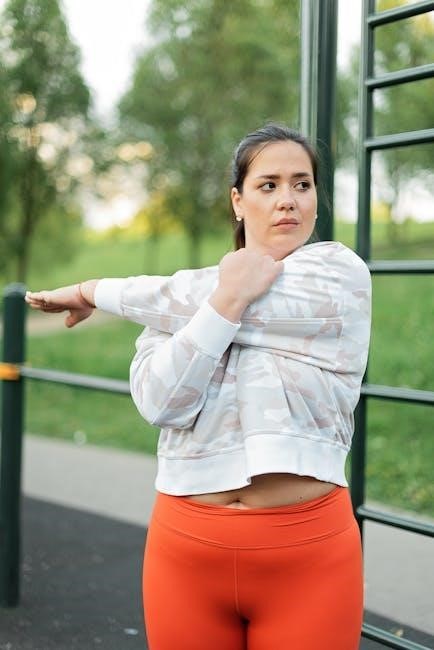
Reading Customer Reviews
Before finalizing your hoodie purchase‚ dive into the customer review section! Real feedback from other buyers can provide invaluable insights into a hoodie’s true sizing accuracy. Pay close attention to comments regarding whether the hoodie runs true to size‚ large‚ or small.
Look for reviews from individuals with similar body types to yours. Their experiences can offer a more personalized perspective on fit. Note any recurring themes – if multiple reviewers mention the sleeves being too short‚ for example‚ it’s a strong indicator to consider sizing up.
Don’t solely rely on star ratings; read the detailed comments. Customer reviews often highlight specific fit issues or provide helpful suggestions for achieving the best fit. This collective wisdom can save you from ordering the wrong size!
What to Do If Your Hoodie Doesn’t Fit
Discovering your new hoodie isn’t quite right can be frustrating‚ but don’t despair! Your first step is to carefully review the retailer’s return and exchange policy. Most companies offer options for resolving sizing issues‚ but timeframes and conditions vary.
If within the allowed window‚ initiate a return or exchange for the correct size. Keep all original packaging and tags attached. If the return window has closed‚ explore alteration options. A tailor can often adjust the fit of a hoodie to your specifications.
Minor adjustments‚ like shortening sleeves or taking in the sides‚ can make a significant difference. Consider reselling the ill-fitting hoodie online; someone else might find it a perfect fit! Don’t let a sizing mishap ruin your style.
Exchange Policies
Understanding a retailer’s exchange policy is crucial when purchasing hoodies online or in-store. Policies differ significantly; some offer free exchanges for different sizes‚ while others require you to cover return shipping costs. Always check the stated timeframe for exchanges – typically 30 to 60 days – and any conditions‚ such as items needing to be unworn with tags attached.
Before initiating an exchange‚ verify the availability of your desired size. Some popular styles or colors may be out of stock. Keep a record of your original order number and any communication with customer service. If exchanging online‚ follow the retailer’s specific instructions carefully to ensure a smooth process.
Familiarize yourself with whether the exchange is for the same item in a different size or for store credit. Knowing these details beforehand prevents unexpected issues.
Alteration Options
If an exchange isn’t possible‚ or you require a truly customized fit‚ consider altering your hoodie. Simple alterations‚ like shortening the sleeves or adjusting the body length‚ are relatively inexpensive and can dramatically improve comfort. A skilled tailor can also take in the sides for a more fitted silhouette.
For more complex adjustments‚ such as reshaping the hood or modifying the pockets‚ seek a tailor experienced with hoodies and casual wear. Discuss your desired changes thoroughly and get a price quote before proceeding. Remember that extensive alterations may impact the hoodie’s original design or fabric integrity.
Before committing to alterations‚ ensure the cost doesn’t exceed the hoodie’s original price. Sometimes‚ it’s more economical to purchase a correctly sized garment.